If you have read previous posts in this blog you will know that we are doing this whole adventure by making decisions while on the move, and so far it has not caused us any problems.
That has just changed.
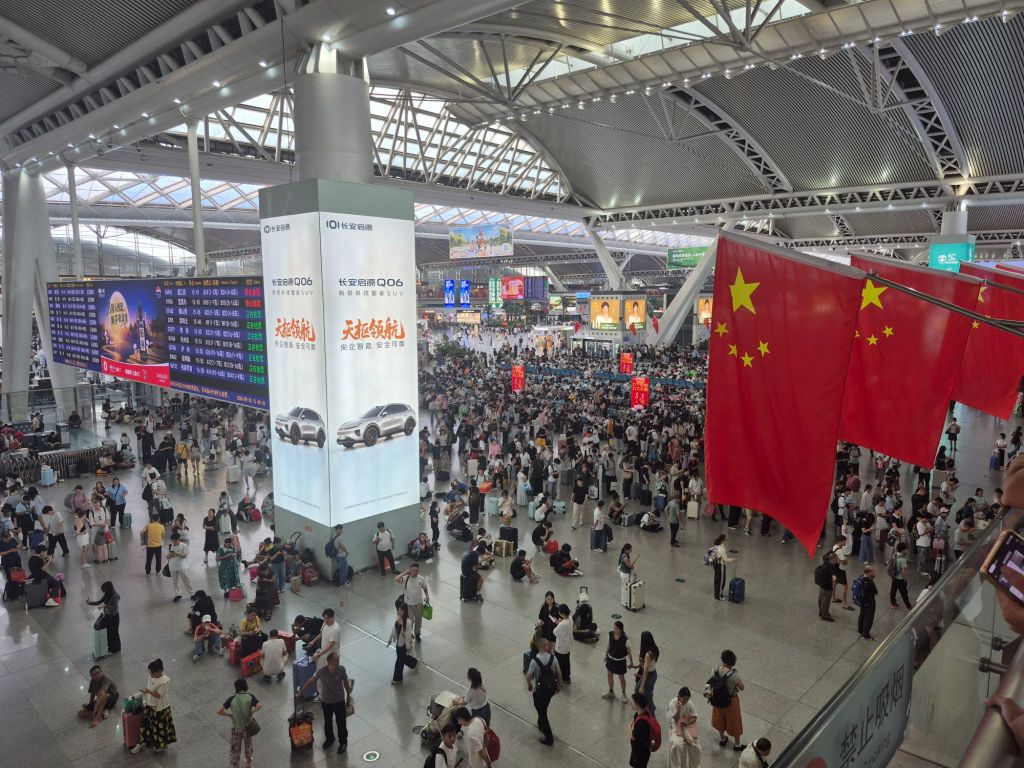
We headed to Guangzhou airport early doors for the journey to Guilin, without having any tickets booked but knowing there were quite a few trains through the day. The first concern was when we saw how busy the place was. The second was when we found out that it was Mid Autumn Day (25th September) and lots of people travel home, out of the city, for the weekend.
There were no seats or standing tickets available on any trains for ages.
Running through various options and scenarios the best we could do was a train seven hours after we arrived at the station.
Whoops. Not a great day.
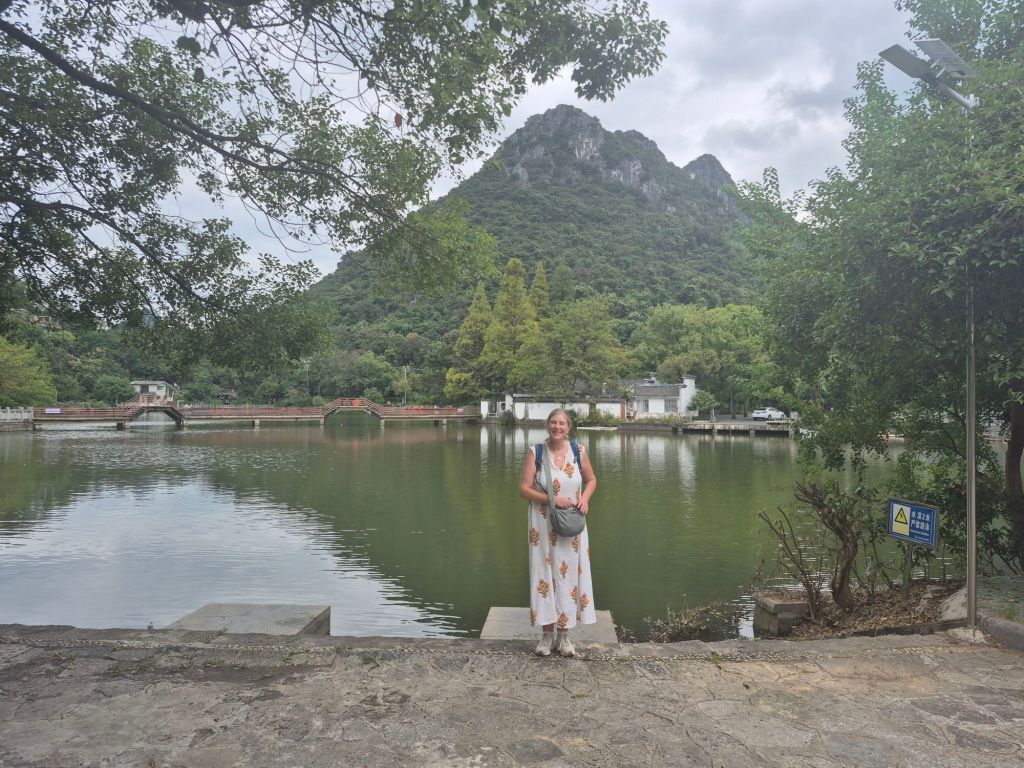
When we finally arrived in Guilin, we were picked up at the station by our hotel and checked into a lovely little place next to a lake, a few miles out of the city. The manager Qin could not do enough to make us comfortable and as we sat on the lake edge with a drink a Chinese family started talking to us to help their son with his English. All the time the mother was talking to us, her husband was videoing the whole conversation, plus photos at the end for good measure. We are back to being a welcome novelty again.
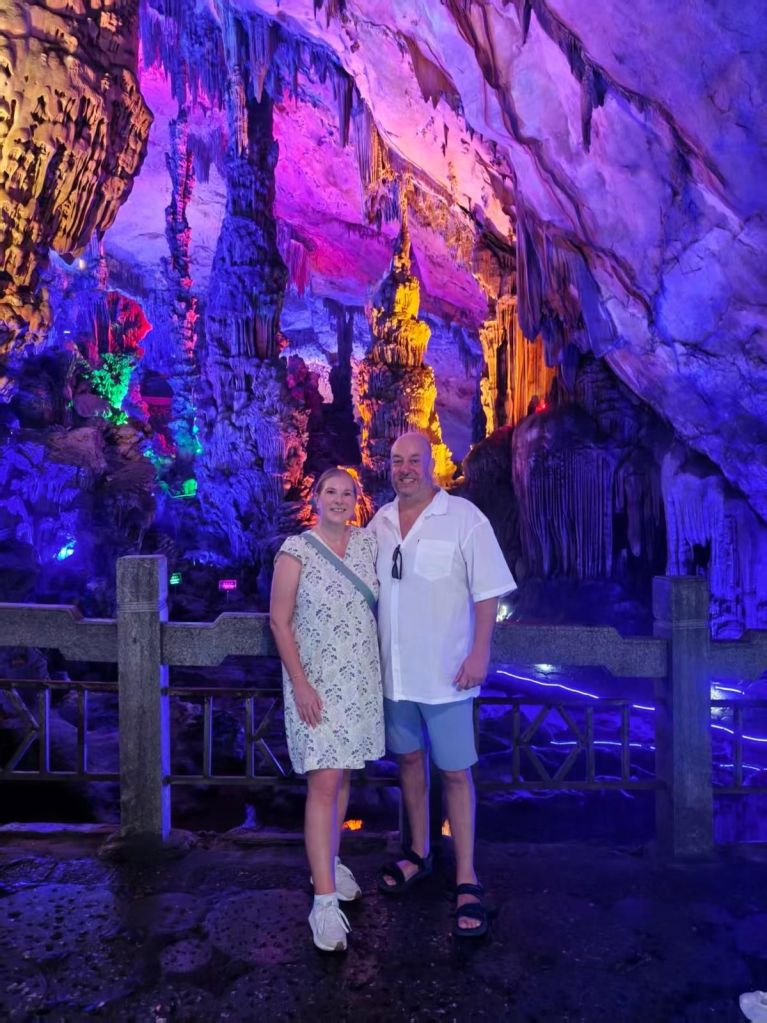
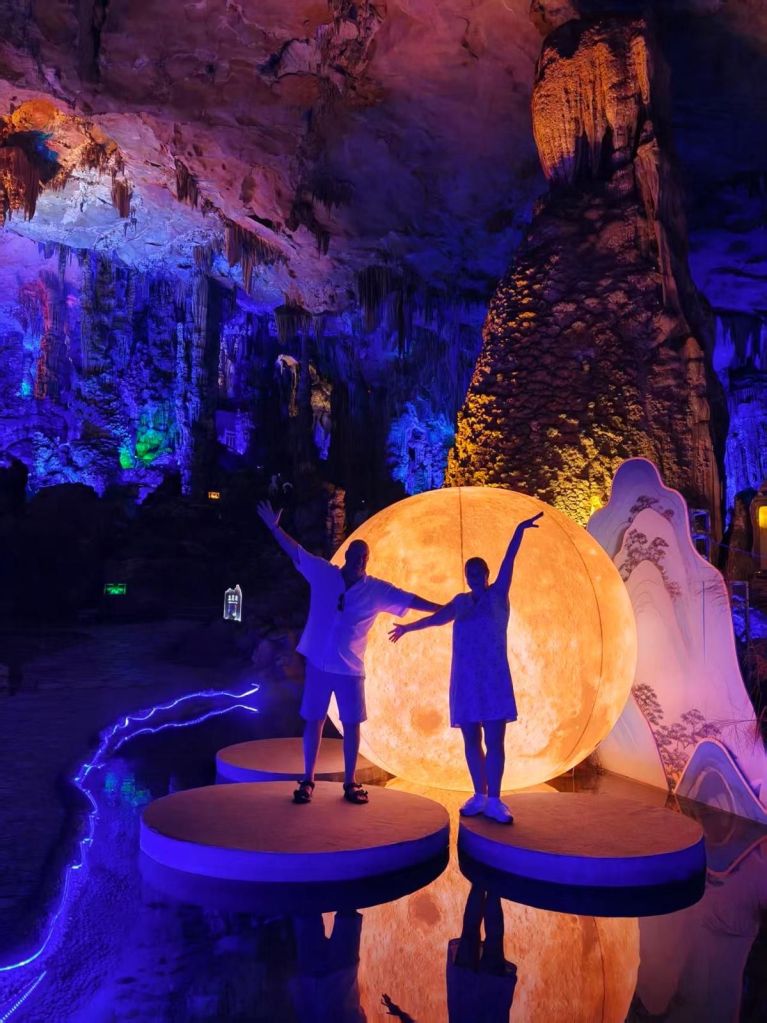
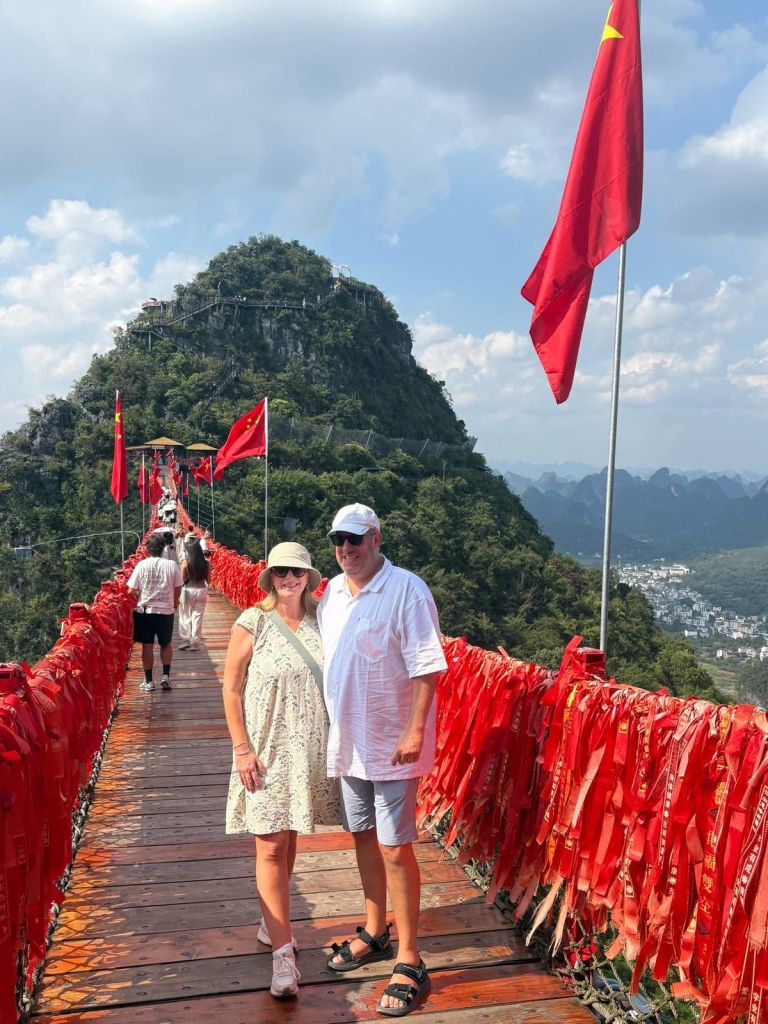
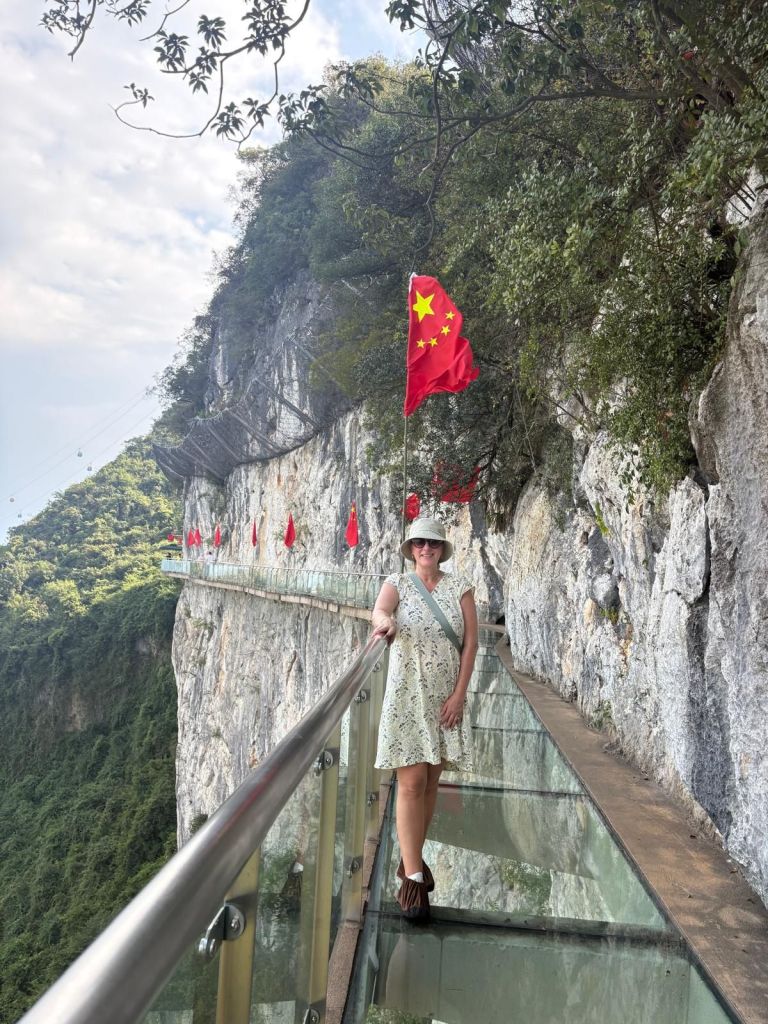
Choosing a day out in the countryside we hired a guide, Molly, and took in a range of places and experiences such as Reed Flute cave, bamboo rafting, cable car, sky bridge (yes, another one) and a glass bridge just for Pip.
Evening entertainment
Late afternoon in Yangshuo, knowing that the show we were heading to would not start until 8pm, we found a bar to sit and relax and have a drink. Other westerners seemed to be drawn in too and were all sat outside listening to the live music while the Chinese walked past staring and taking photos like we were a zoo exhibit.
We watched the Impression Sanjie Liu show at the world’s largest outdoor theatre with a packed out audience of 3,500 and a cast of 600. It had a phenomenal background of limestone karsts and the show was a great spectacle but ultimately we both preferred the show in Hoi An, Vietnam.
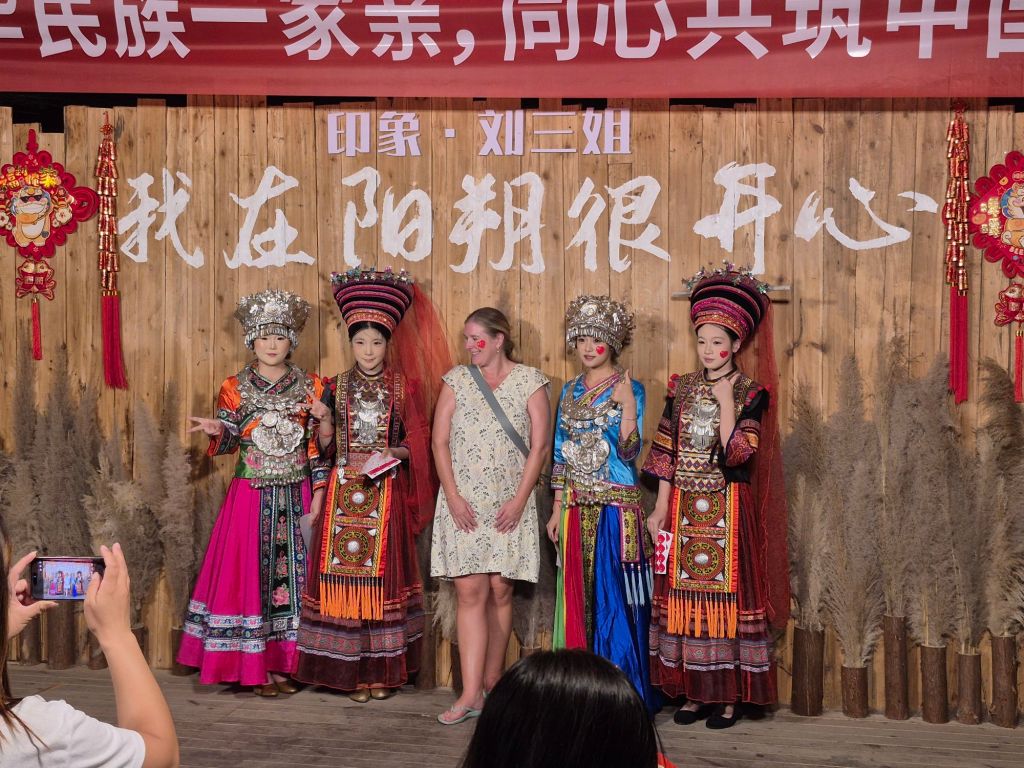
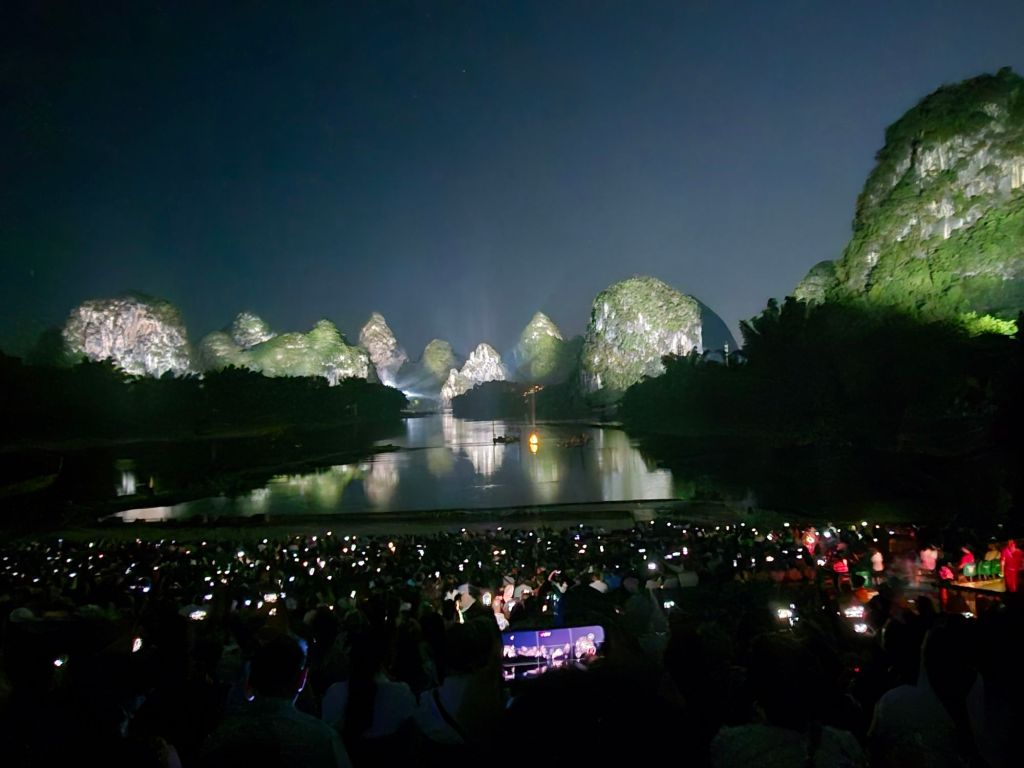
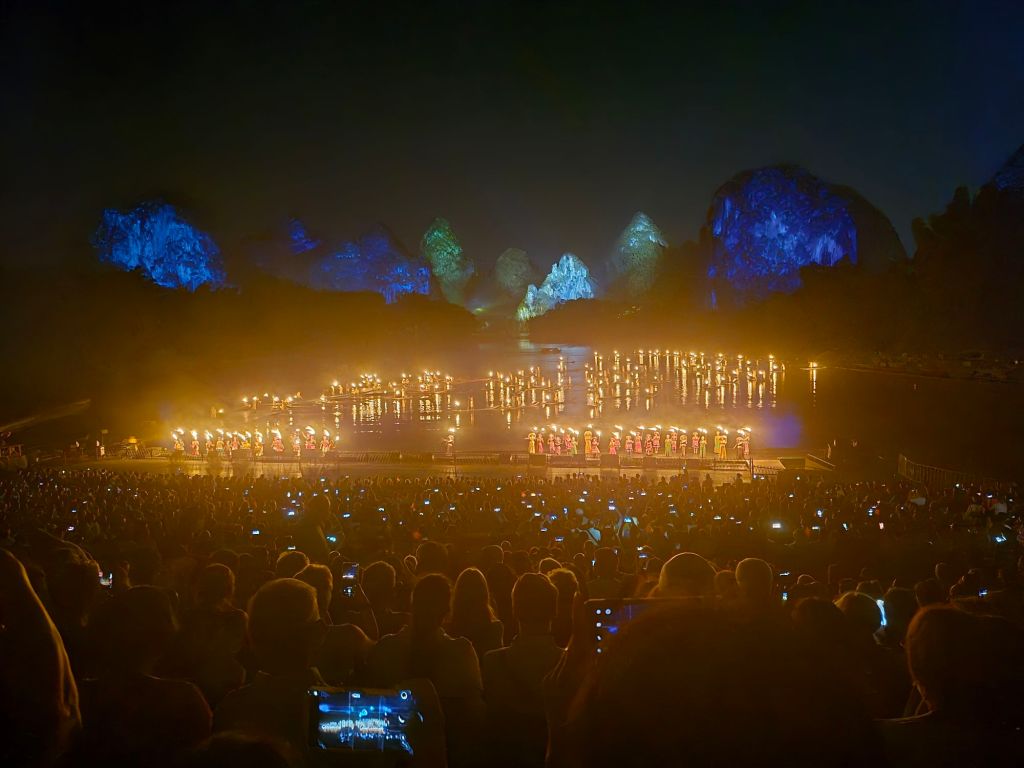
Lots of the Chinese audience talked all the way through the show, many left 15 minutes before the end (it was only 70 minutes long anyway) and the most unusual thing for us was that none of them clapped or gave any applause, meaning that the ending just sort of fizzled out. China must be a tough gig.
Chinese views of world events
We spent almost 12 hours that day with our guide Molly, and had lots of conversations including one where we asked how things had been during Covid. She described it as “The Big Cough” and was convinced that it started in the USA.
When we drove past a petrol station and told her people in Indonesia were queueing for up to three hours for petrol and were limited on the amount they could have, she told us that is not likely to be true. We had to tell her that we saw it with our own eyes but she was still sceptical. Just little signs of how the narrative may be controlled in the country.
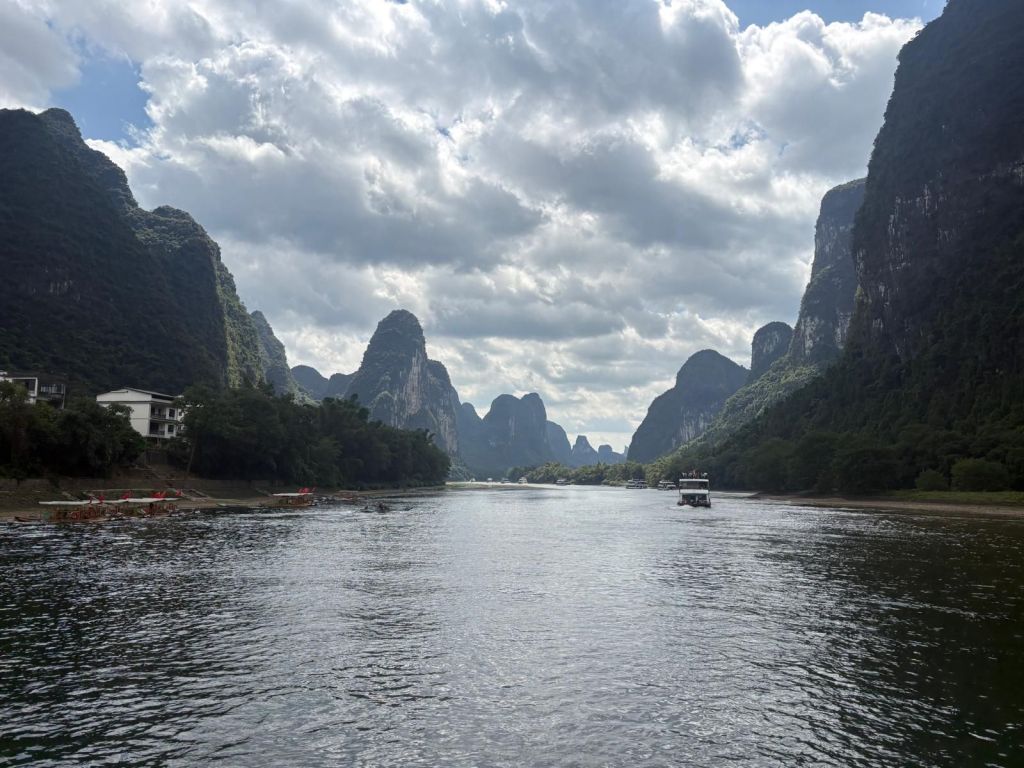
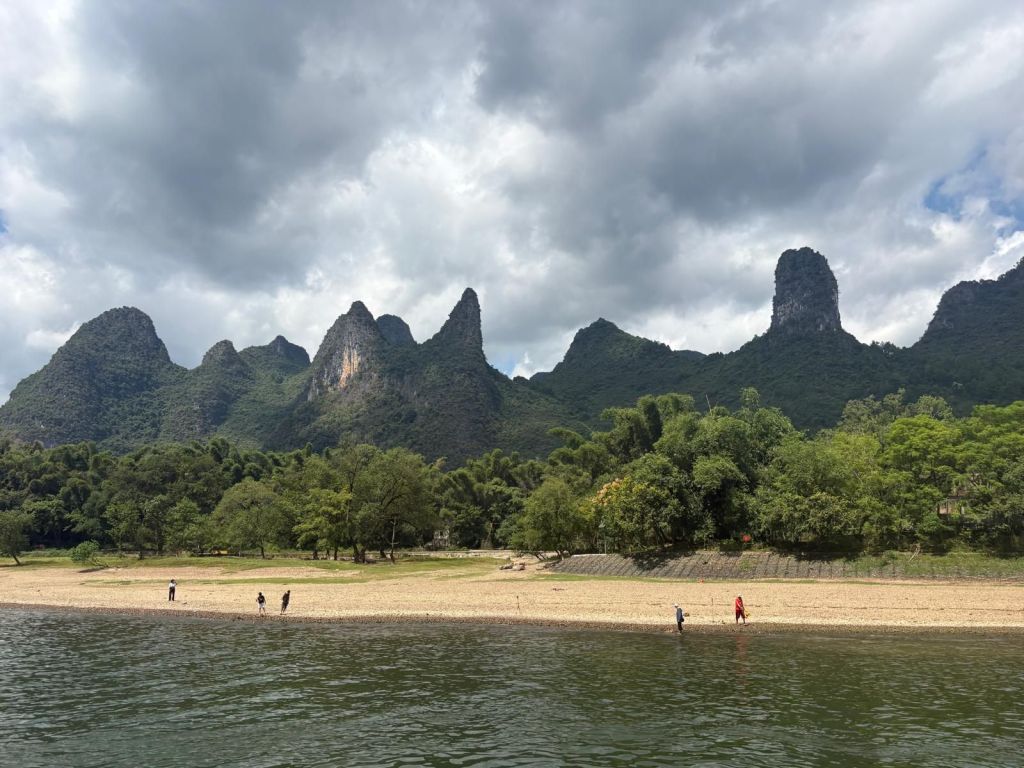
We took a boat trip down the Li river, through the hundreds of limestone karsts. In some ways it was similar to Ha Long Bay in Vietnam except that these karsts were on land rather than rising out of the sea. Some beautiful scenery and, even though we were in a convoy of boats, well worth it for the serenity and the views.
The scale of China and housing
Guilin is a city of just under 5 million but I had never heard of the place before. In the UK only London is bigger.
There are currently 85 megacities in the world that have a population of over 5 million and 19 of them are in China, but I imagine many of them would be unfamiliar names to people in the UK.
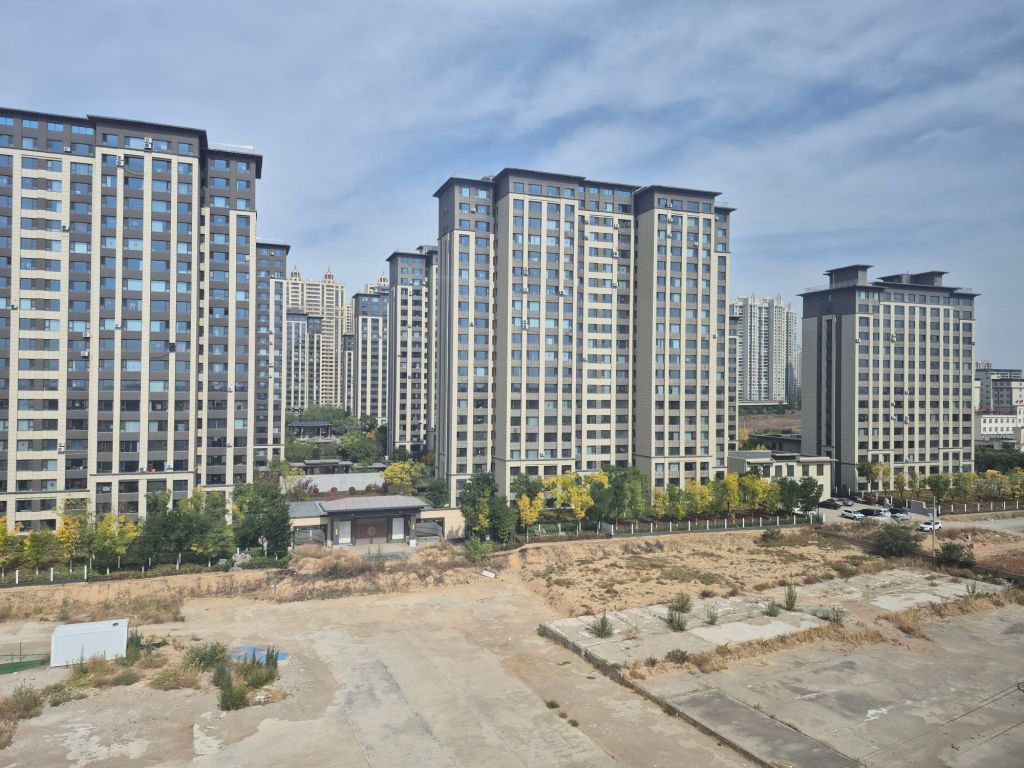
We moan in the UK about over population and lack of space but the vast majority of people live in houses. Seeing a group of 24 apartment blocks, all over 30 floors high, with most getting limited sunlight each day due to the proximity of the next block changes your perspective, particularly when there are multiple groups of apartment blocks like this in every city.
China has a population of 1.4 billion and over 90% of urban residents live in apartments. Across the whole country it is 66%.
Compare that to London where only 54% of people live in flats or apartments and across the UK only c21% do. Most of those will also not be huge 30 floor plus apartment blocks built next to each other.
Fenghuang
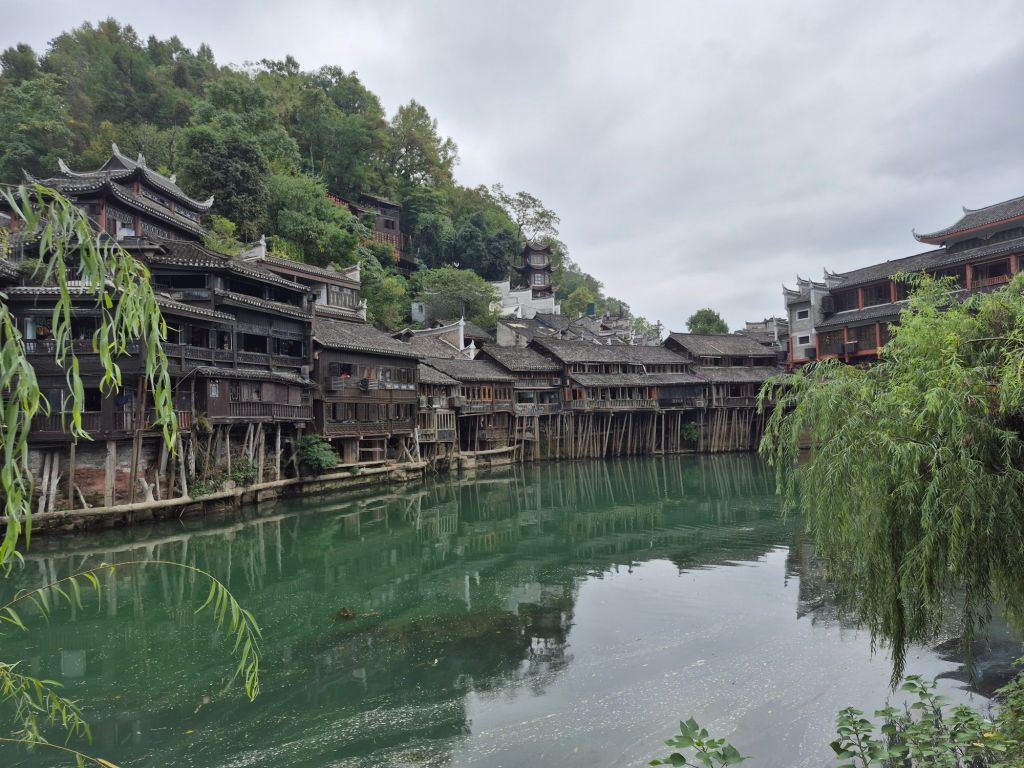
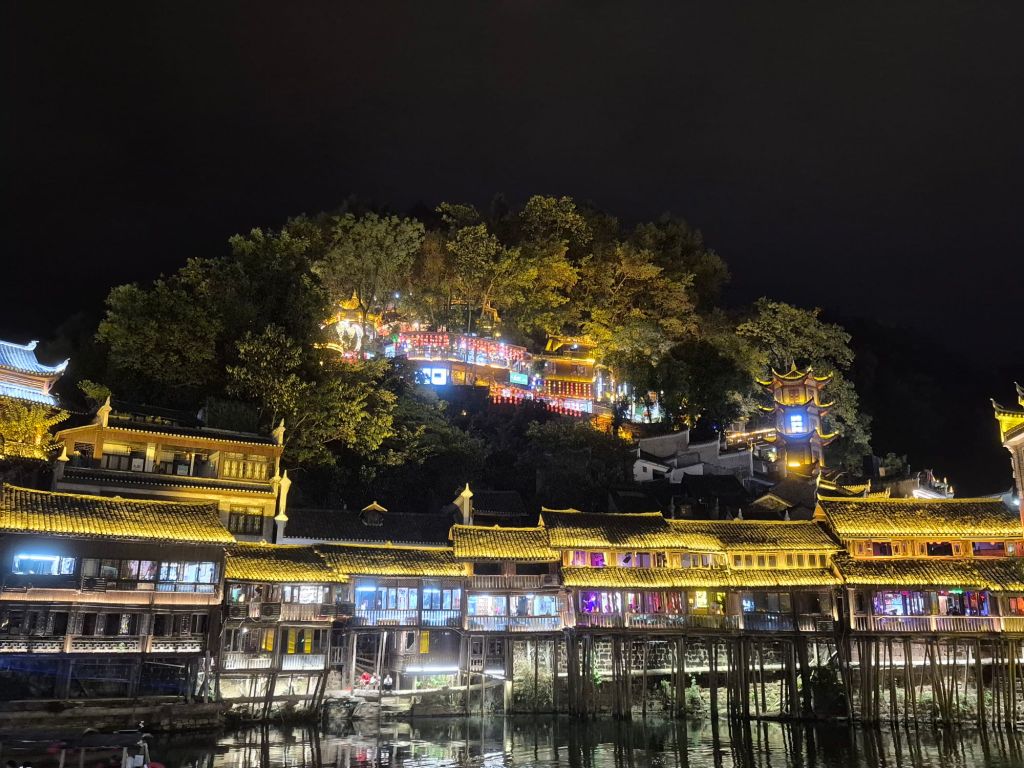
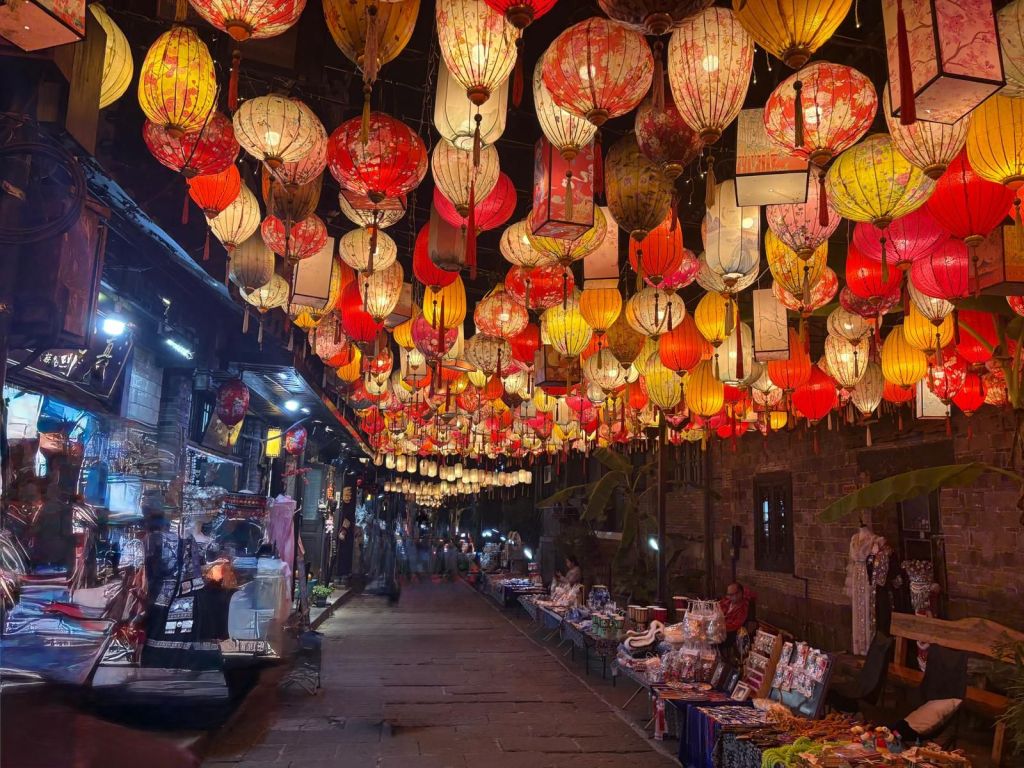
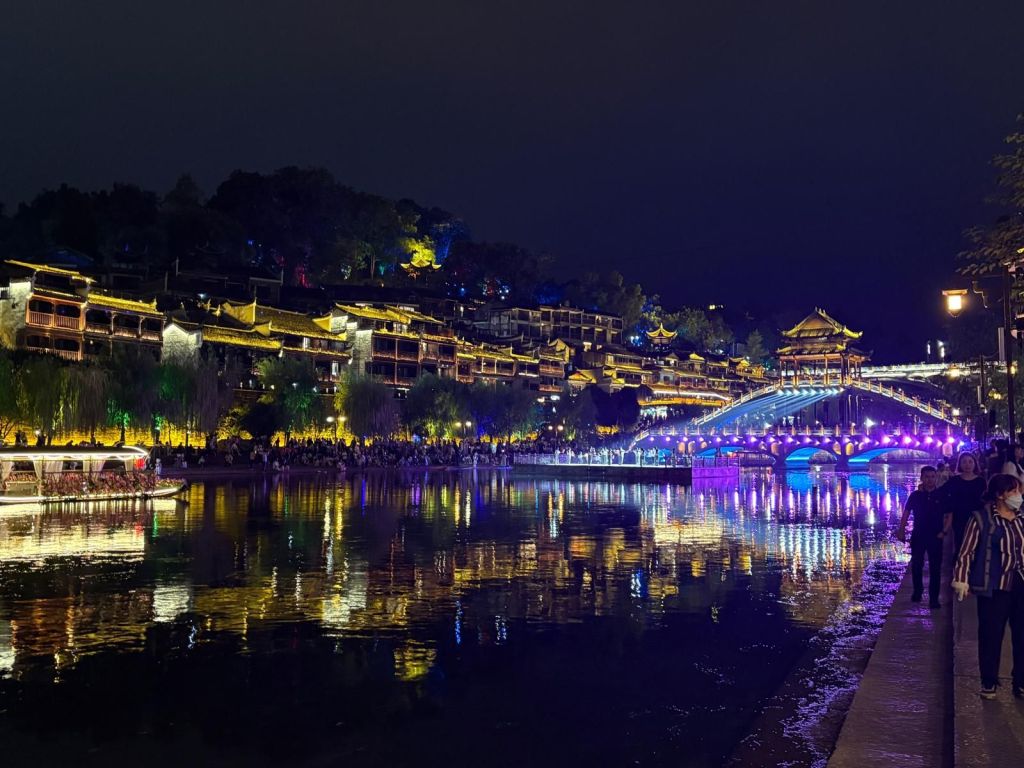
Our next stop was Fenghuang ancient city, also known as Ancient Phoenix city. A picturesque place built around the river with old buildings, attractive streets and houses built on stilts, but brown is very much the colour during the day. At night the place is like a kaleidoscope with lanterns and the obligatory shedload of neon. It looks like a different world.
One problem we encountered in Fenghuang is that Pip left her Kindle on the train we arrived on. We have asked for help from the hotel but I can’t imagine we will see that again. I will let you know in due course.
Traditional dress trend
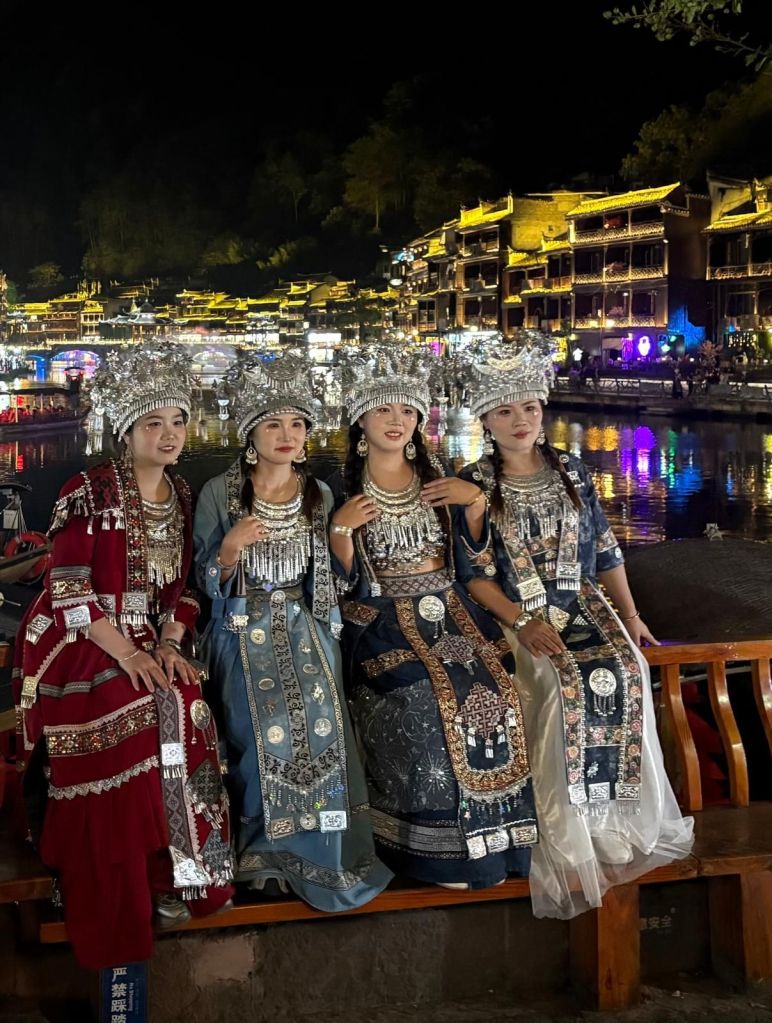
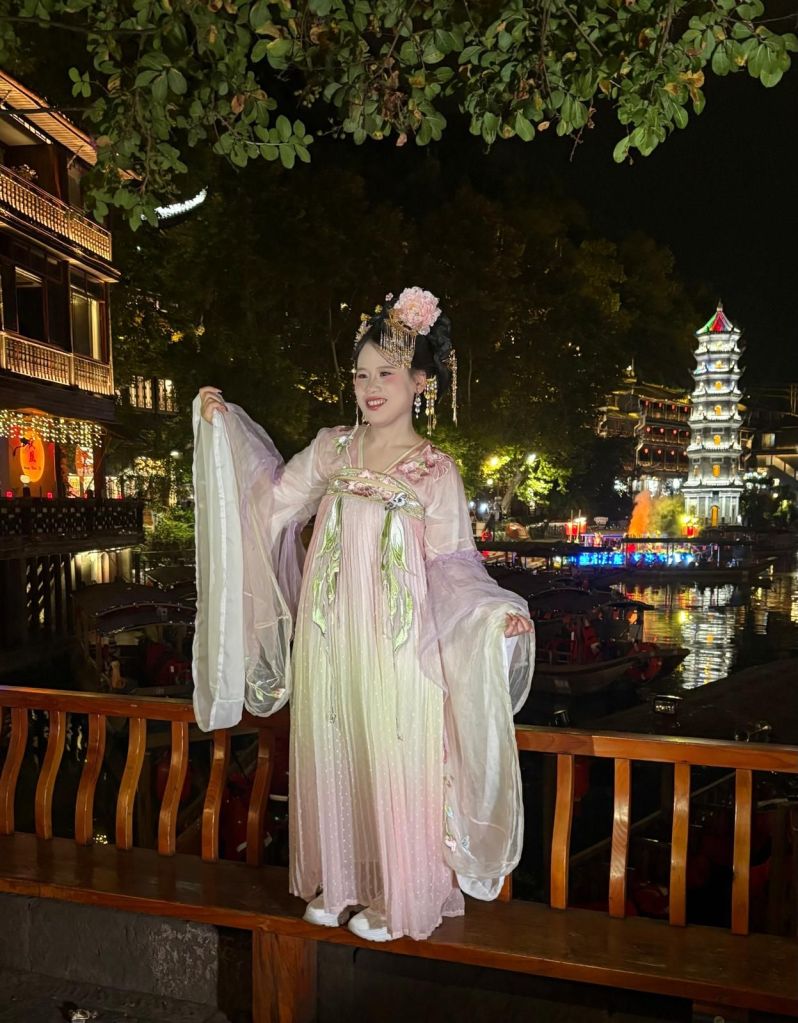
Something that is massively popular in China, mainly for women and girls, is renting an outfit of traditional clothing, having your makeup done and hair styled, before wandering round all day taking photos of yourself. The outfits vary based on the region.
I kid you not, there have to be over 100 outfit rental shops in Fenghuang and also a secondary industry of photographers offering their services in the most photogenic spots.
Food issues
In most countries we have been lucky to either see menus with English translations or pictures that we felt confident about.
In China things are a bit more tricky.
Finding a menu with English is difficult which leaves the pictures, but we know the Chinese enjoy some foods that don’t always match western preferences, so things are sometimes not what they seem.
I will happily try new dishes but some need training just to know how to eat them. Putting in the translation time has helped us steer away from; chicken feet, chicken gizzards, pigs ears, pigs trotters, a range of frog parts, various animal stomachs and whatever “bloody and fat intestines” means. One menu we found with English translations offered a dish simply described as “Hairy”, who knows what that was!
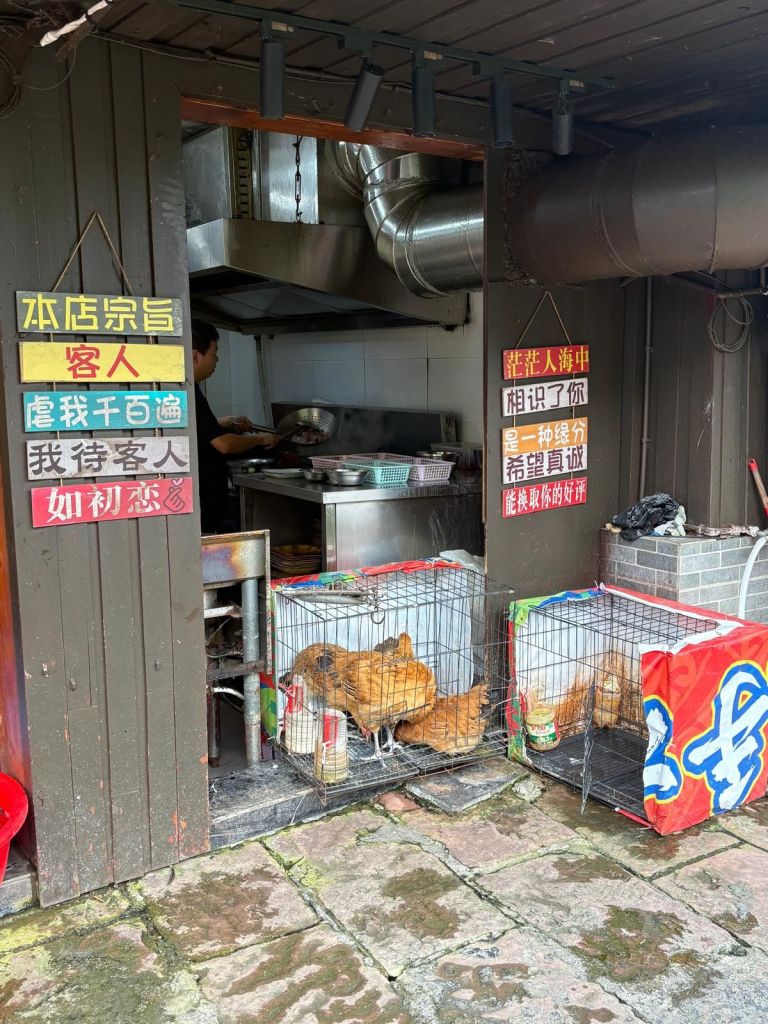
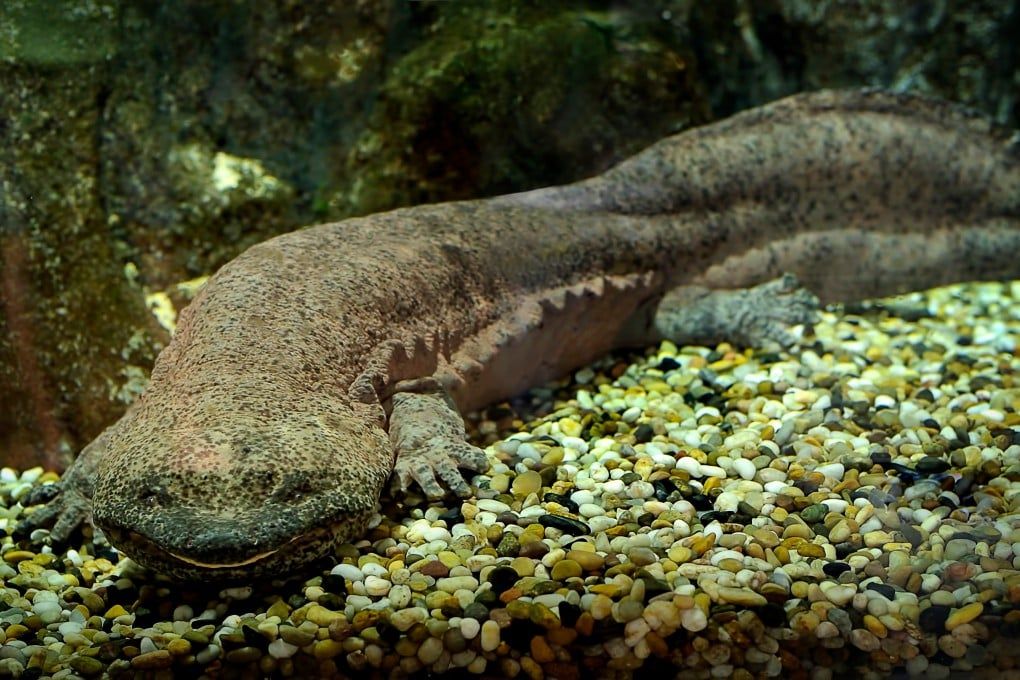
We are used to seeing fish tanks outside of restaurants containing a range of fish, crabs, shellfish and lobsters but in Fenghuang some restaurants had cages with live chickens, frogs and Chinese giant salamanders (Exotic but guess what, descriptions online describe it as tasting like chicken. Doesn’t everything?).
Golden Week
We were going to head to Zhangjiajie which is home to the “Avatar Hallelujah mountain” but although we had booked and paid for a trip online the company told us the tickets to the Wulingyuan national park had sold out, so we had to cancel. How many people does it take to sell out a national park? Scary.
This is because October 1st is Independence Day and the start of Golden week, one of two main holidays in China where everyone not involved in retail or tourism appears to be on holiday. Trains are fully booked for the week, accomodation is more expensive and tourist numbers are huge. There is not much we can do about the situation as our trip direction was always going to put us in China in October so we will just have to adapt.
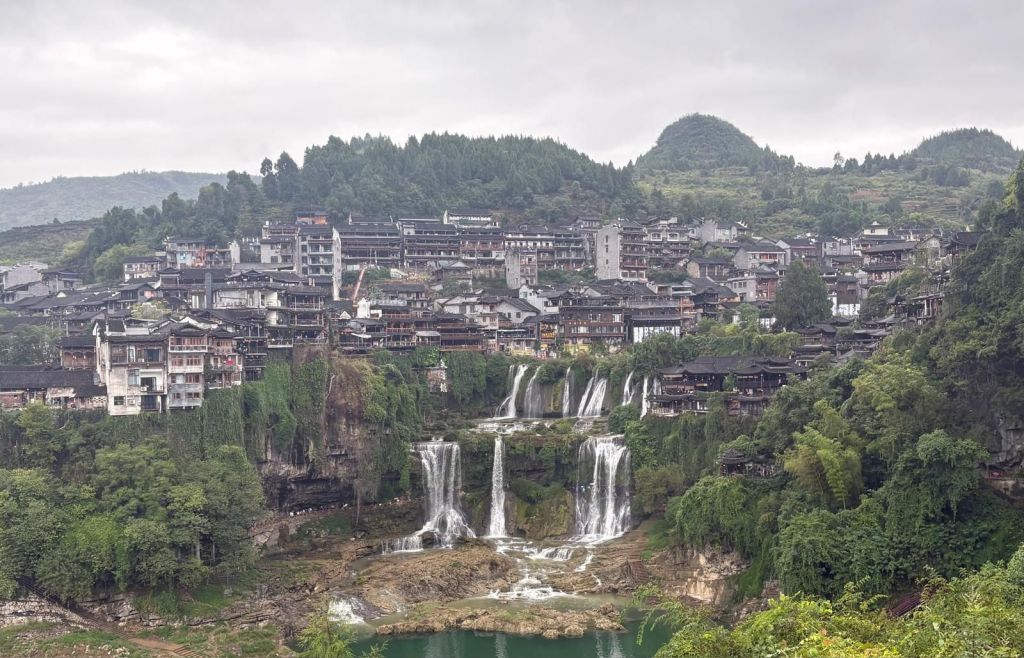
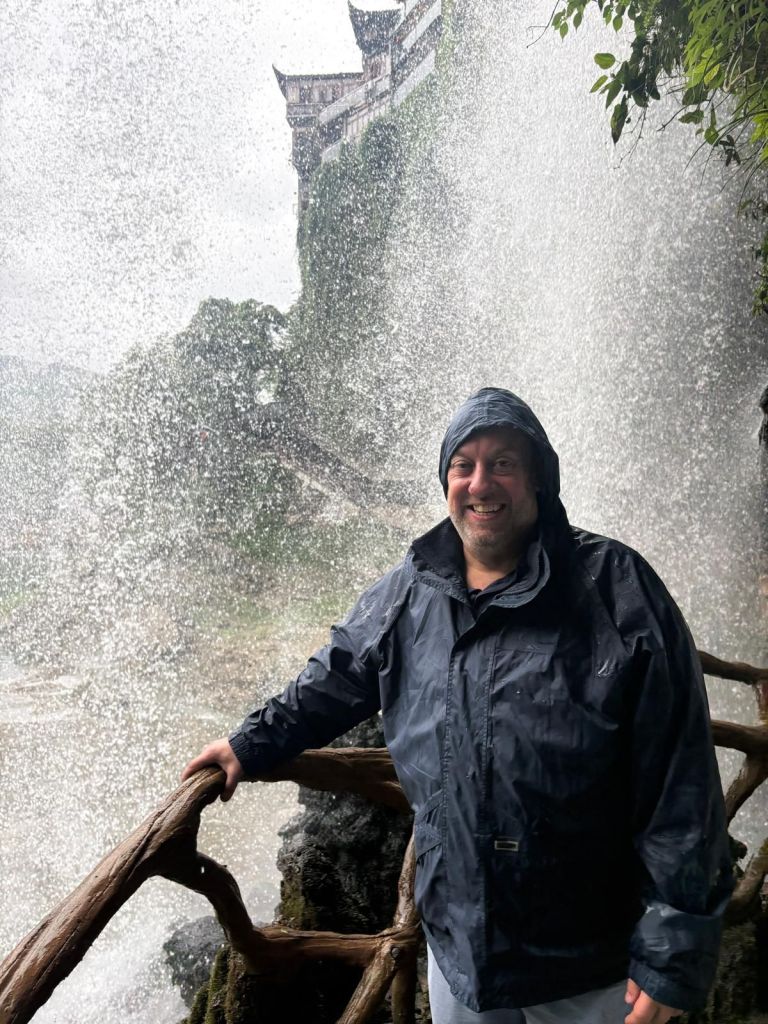
On that basis we headed to Furong, another scenic town. You have to pay to enter the scenic area but it is very picturesque and you can walk behind the waterfall that sits in the middle of town.
Next stop Xi’an.


Leave a Reply